The Fitting Room
Oilskins to lopapeysa: the makers who dress Reykjavík
66°North’s fishermen’s anoraks, a knitting association of 1977 and a label in a fish factory.
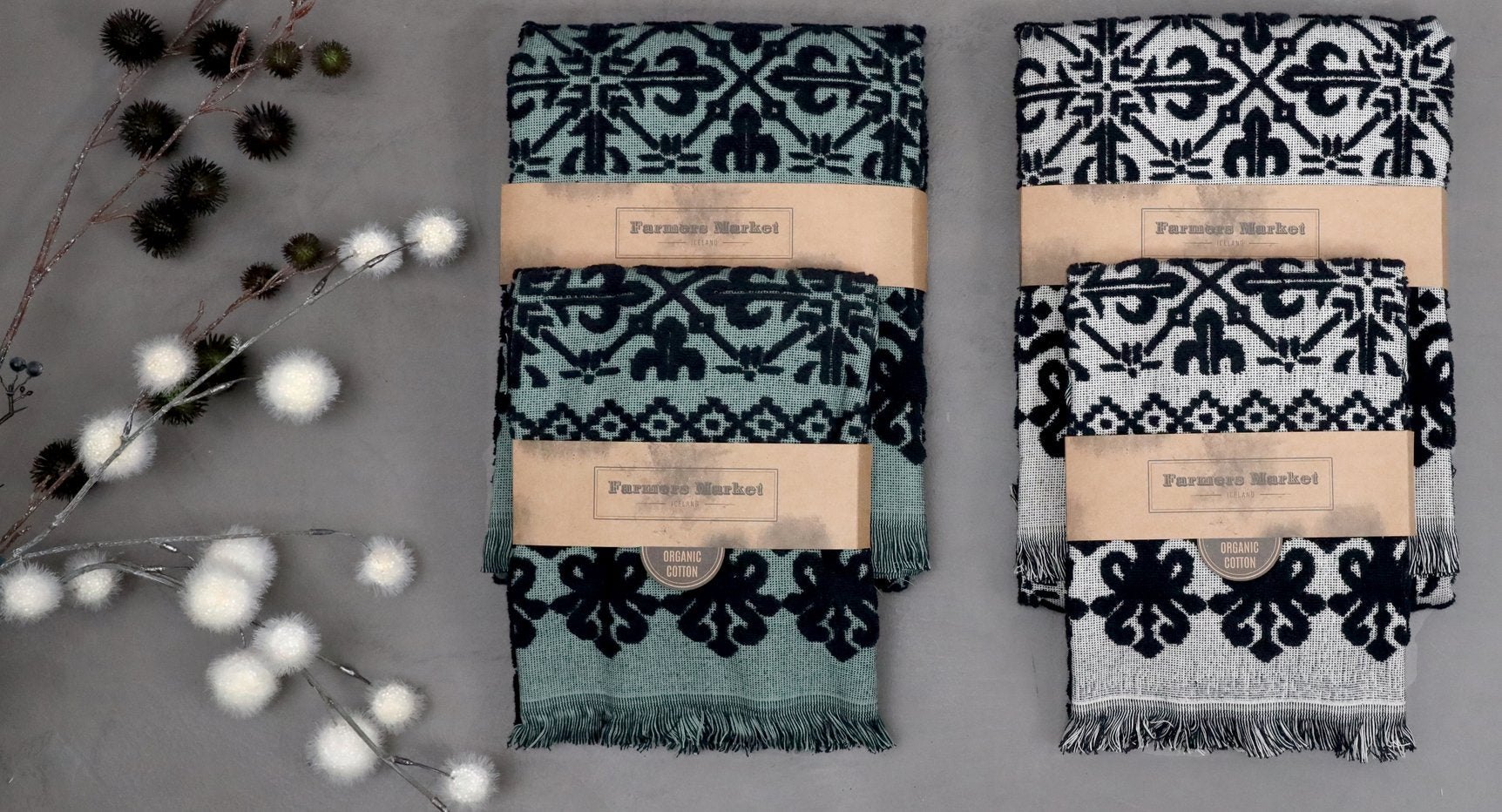
Photo Credit
Image courtesy of © Farmers MarketWhat do you wear in a city where the weather changes its mind between courses? Reykjavík answers with makers rather than tailors: a firm founded for fishermen in 1926, a knitting association started by women in 1977, a label in an old fish factory, a goldsmith on Bankastræti and a perfumery run by siblings. Here is their story, from their own pages, checked in November 2026.
Made for the North Atlantic
66°North was founded in 1926 by Hans Kristjánsson of Suðureyri, in Súgandafjörður in the Westfjords, to make protective clothing for Icelandic fishermen and workers braving the North Atlantic. Its first name was Sjóklæðagerð Íslands, the fishermen’s clothing factory of Iceland, and its starting point was the oil-borne canvas anorak.
The present name comes from the latitude of the Arctic Circle, which touches Súgandafjörður. Few fashion labels can point to their brand on a map, and fewer still chose it because it is cold there. The firm’s line, keeping Iceland warm since 1926, reads less like a slogan than a job description.
The sweater as heritage
In November 1977 a group of people, mainly women, founded the Handknitting Association of Iceland to increase their income by knitting and selling sweaters. Its shop at Skólavörðustígur 19 still sells pieces handknitted locally from 100% Icelandic wool, and the association calls the lopapeysa a heritage that Icelanders are very proud of.
The lopapeysa is the nearest thing Reykjavík has to a uniform, and like any uniform it is judged on fit. Try it on before you buy: a hand-knitted sweater varies a little from one pair of hands to the next, which is rather the point of paying for one.
A fish factory, refitted
Farmers Market was founded in 2005 by an artist couple, the designer Bergthora Gudnadottir and the musician Jóel Pálsson. Its headquarters are in a former fish factory at Grandi, its flagship shop is at Hólmaslóð 2, and its knitwear uses Icelandic wool from a local yarn mill. Natural fabrics, craftsmanship and respect for the environment are its stated values.
The firm’s line, keeping Iceland warm since 1926, reads less like a slogan than a job description.
Rammagerðin has been at this longer still. It was founded in 1940 by Jóhannes Bjarnason as a framing workshop connected to Iceland’s leading artists, and now sells Icelandic design and wool on Skólavörðustígur, on Laugavegur and in Harpa: a picture framer that ended up dressing the people looking at the pictures.
Gold and perfume
On Bankastræti 4, Aurum was founded in 1999 by Guðbjörg Kr. Ingvarsdóttir, who qualified as a journeyman goldsmith in Copenhagen in 1993 and runs the label with her husband; the store and workshop sit in the heart of the city centre. A few streets west, at Fischersund 3, is the family-run perfumery and art collective of the same name, founded in 2017.
Fischersund is the work of four siblings, among them Jónsi of Sigur Rós, described by the house as a self-taught nose. Its scents use herbs and oils from Iceland’s wild landscapes, hand-poured and packaged in Iceland. It may be the only perfumery in town with its own music collective, which seems fitting in a city that treats a good jumper and a good record with equal seriousness.
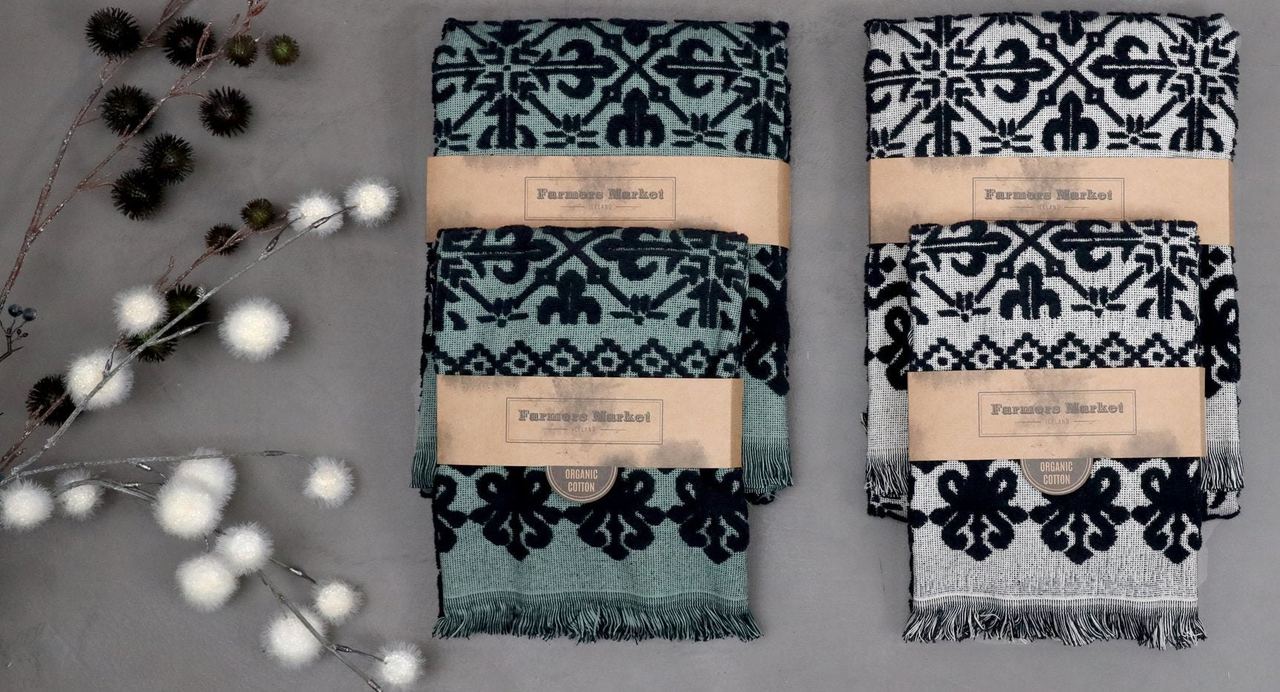
Photo Credit
Image courtesy of © Farmers MarketOur advice: buy wool where it is knitted and scent where it is mixed. All six of these makers sit within an easy walk of each other, and Reykjavík in winter is cold enough to wear the first purchase before you reach the last.
Why it's on our list
- Made for the North Atlantic
- The sweater as heritage
- A fish factory, refitted
- Gold and perfume
Location
The map comes from Google Maps, which sets its own cookies once it loads.
More in depth
 The Fitting RoomSwimsuit, soap, no phone: dressing for Reykjavík’s hot waterThe pools’ naked-shower rule, the lagoons’ dress codes and a geothermal beach by a 3.5°C sea.
 The back storyDILL, ÓX and the lamb hot dog: how Reykjavík eatsDILL, ÓX, Moss and the lamb hot dog: how Reykjavík eats.
 The back storyEspresso since 1958: Reykjavík’s cafés, the back storyPrikið since 1951, Mokka’s espresso since 1958, a roastery born in 2008 and the bakers at dawn.