The back story
Wool, oilskins and a customs house: Reykjavík shopping, the back story
A fishermen’s outfitter of 1926, a knitting association, a flea market in the customs house.
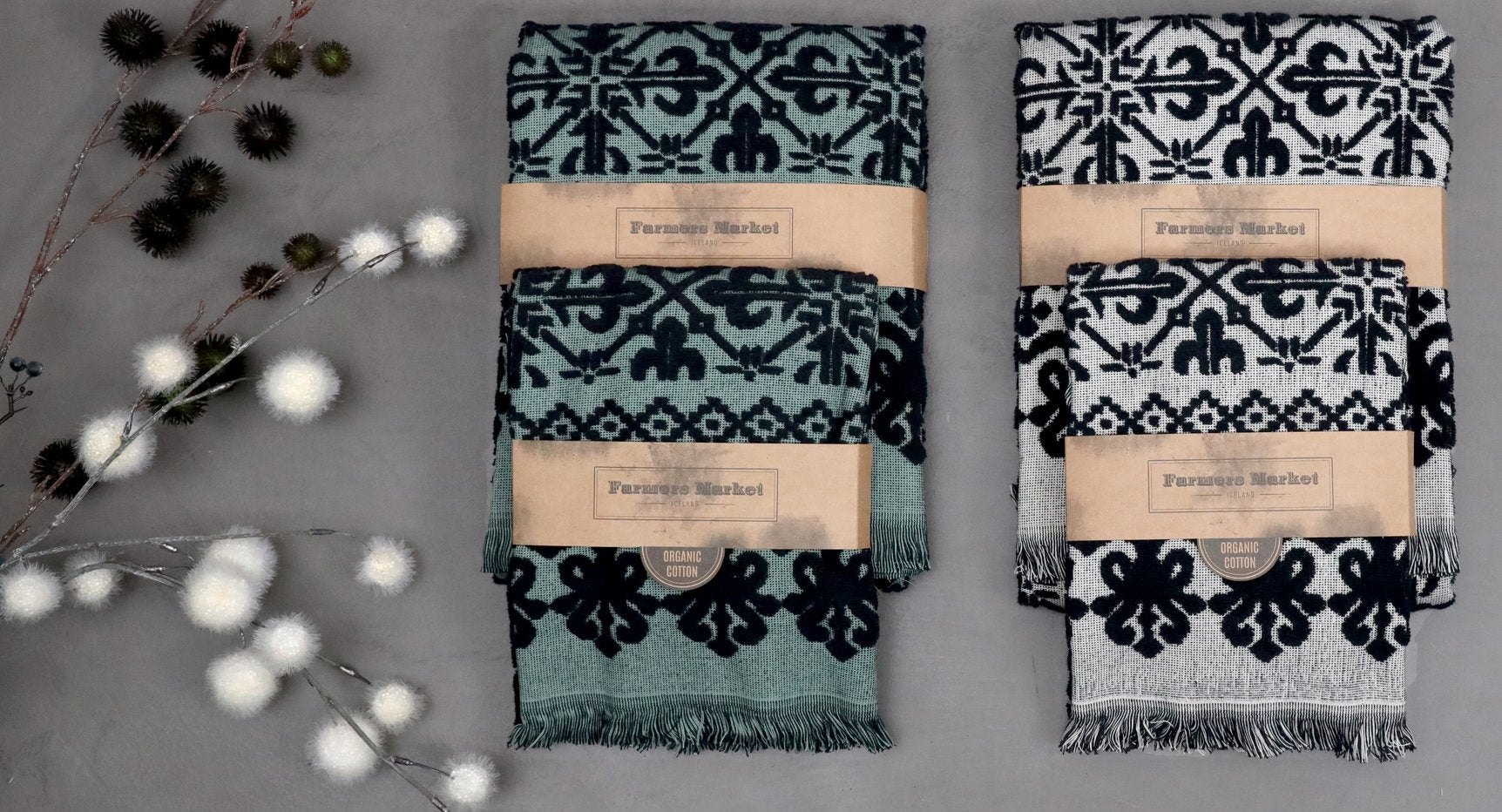
Photo Credit
Image courtesy of © Farmers MarketWhy is so much of Reykjavík’s shopping made for the weather? Because its best-known shops began as answers to it: oilskins for fishermen, sweaters knitted at home, a flea market in the old customs house. Here is the back story of the streets, markets and malls on our list, from the shops’ own pages and the city’s, checked in November 2026.
A high street named for laundry
Reykjavík’s high street began as a laundry run. Laugavegur takes its name from the hot springs in Laugardalur, where the town did its washing until the 1930s, according to the City Library. Today it and Skólavörðustígur carry the shopping uphill towards Hallgrímskirkja, while Hafnartorg, the new quarter of shops and restaurants, links the old centre to the harbour.
Hafnartorg also hides one of the country’s largest car parks under its buildings, with about 1,160 spaces entered from Harpa, Pósthússtræti and the harbour. In a city where the weather sets the shopping hours as firmly as the shops do, an underground approach is less a luxury than a strategy.
Made for the weather
The best-known names on the street began as answers to the climate. 66°North was founded in 1926 by Hans Kristjánsson of Suðureyri in the Westfjords to clothe fishermen and workers on the North Atlantic, under the name Sjóklæðagerð Íslands; it takes its present name from the Arctic Circle, which touches his home fjord.
In November 1977 a group of people, mainly women, founded the Handknitting Association of Iceland to earn more from their sweaters, and its shop at Skólavörðustígur 19 still sells pieces handknitted from Icelandic wool. Rammagerðin, founded in 1940 by Jóhannes Bjarnason as a framing workshop for Iceland’s leading artists, now sells Icelandic design and wool on the same street.
Farmers Market, the label founded in 2005 by the designer Bergthora Gudnadottir and the musician Jóel Pálsson, works from a former fish factory at Grandi. On Bankastræti, Aurum has made jewellery since 1999, and at Fischersund 3 a family of siblings has blended Icelandic scents since 2017. For a small city, it is a remarkably complete wardrobe, from oilskin to eau de parfum.
Design from Denmark, and back
Epal was founded on 16 July 1975 by Eyjólfur Pálsson, and its name is made from his. Its first shop opened on 15 September 1977 at Hrísateigur 47, selling curtains, upholstery fabric and Danish furniture from makers such as Fredericia. The shelves now carry HAY, Fritz Hansen and Louis Poulsen among others. Today there are five Epal shops, including Laugavegur 7, Kringlan, Smáralind and a round-the-clock branch in a greenhouse in Hveragerði.
For a small city, it is a remarkably complete wardrobe, from oilskin to eau de parfum.
A market in the customs house
Kolaportið opened in 1989 in the old customs house by the harbour, at Tryggvagata 19, and has traded there every weekend since, all year round, with more than 50 sellers a month. Its food corner sells the famous sour shark, the one Icelandic delicacy that announces itself before you reach the counter. Anyone with something to sell can book a booth, which keeps the stock as unpredictable as the weather.
Malls and a monopoly
Kringlan opened in 1987 and describes itself as the largest and most visited shopping centre in Reykjavík, with more than 150 shops, restaurants and services on three floors; Smáralind, across the boundary in Kópavogur, is its rival. Out at Grandi, Forlagið, the Reykjavík publishing house, keeps its bookshop on Fiskislóð.
One purchase follows its own rules. Wine and spirits to take home are sold only at Vínbúðin, the state-run shops, which in the capital area open Monday to Thursday 11.00–18.00, Friday 11.00–19.00 and Saturday 11.00–18.00, and check that every customer is 20 or over.
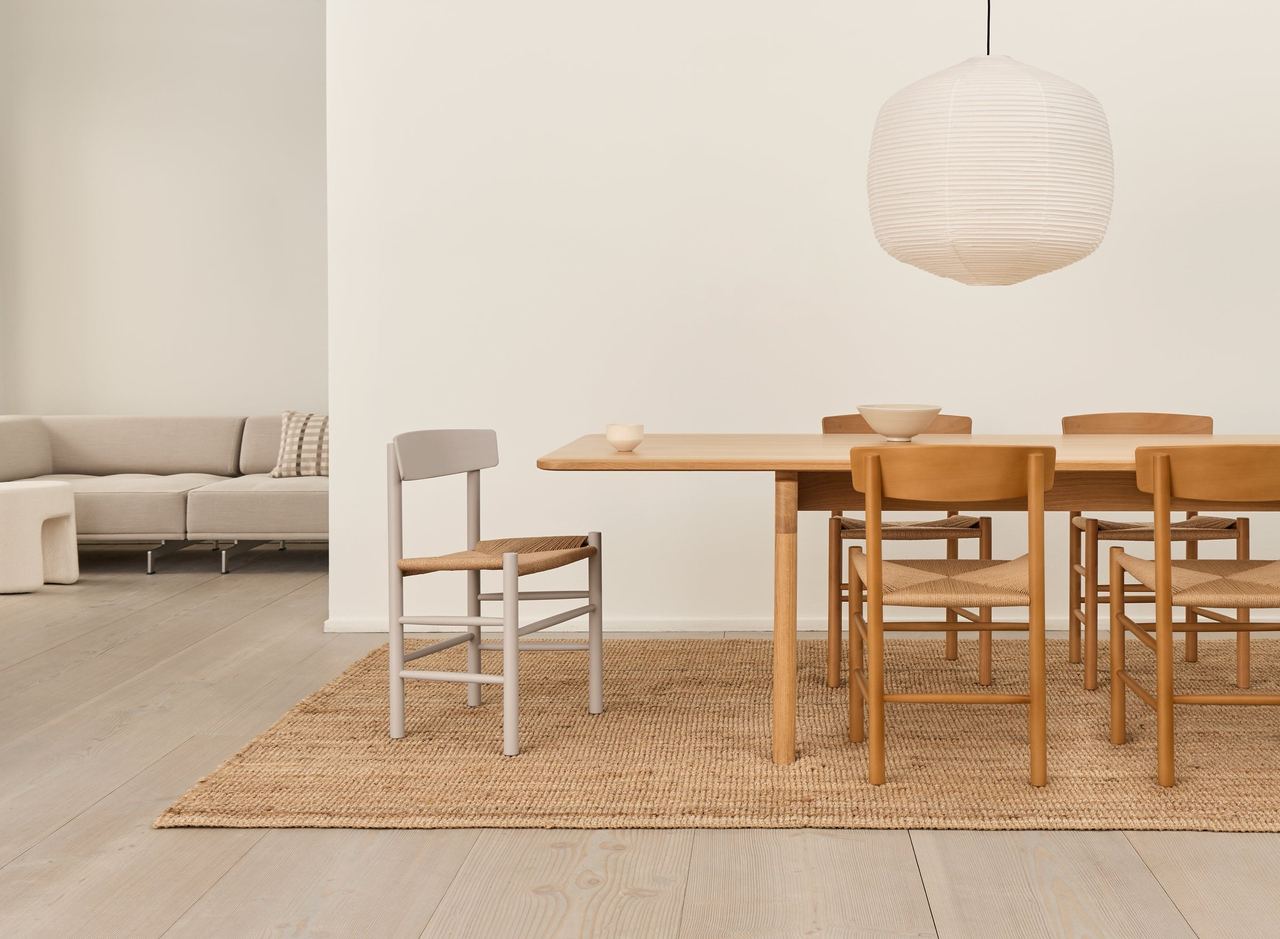
Photo Credit
Image courtesy of © EpalOur advice: shop the makers on Skólavörðustígur and Laugavegur on a weekday, keep Saturday for Kolaportið and Vínbúðin, and remember that the street you are walking was once the hardest commute in town.
Why it's on our list
- A high street named for laundry
- Made for the weather
- A market in the customs house
- Malls and a monopoly
Location
The map comes from Google Maps, which sets its own cookies once it loads.
More in depth
 The back storyWooden houses in 101 and harbour apartments: buying in ReykjavíkWhere people live in Reykjavík, and the first steps.
 The back storyDriving in Iceland: the Ring Road, the F-roads and the winter stormsHow to drive Iceland safely, in every season.
 The back storyReykjavík by bus, boat and plane: Flybus, Strætó and the Viðey ferryFlybus, yellow buses, scooters and the Viðey ferry.